
by Dr. Lori Verderame
 Lladró was founded in 1953 by the three Lladro brothers: Juan, José, and Vicente. The founders came from an agricultural and farming background and formed the family company in the village of Almácera, Spain, near the famous Spanish city of Valencia, Spain. After more than fifty years in the ceramics and collectibles business, the Lladro family remains at the helm of the worldf famous company.
The unmistakable style of the Lladro figurines relate back to the elongated figures of the Mannerist period in Europe, specifically in Spain and its colonies, circa 1515-1600. The Mannerist artists were active during the 1500s and continued to introduce new artworks following the Renaissance period. Some of the most famous Mannerist artists include Spanish master, El Greco. El Greco, or the Greek, as he was known produced paintings featuring breathtaking figures with elegant and elongated bodies. Lengthy necklines, expressive arms, long torsos and legs were all typical of the Spanish Mannerist art style. This artistic tradition of Mannerism is continued in the sculptural beauty of the collectible Lladro figurines. The figurines are sculpted in porcelain, hand painted and details and feature popular subjects like angels, equestrians, society ladies, saints and prophets from the Bible, historical figures, literary figures, professionals like doctors, lawyers, teachers, etc.
Lladro pieces have a highly recognizable sculptural form and color palette typically featuring soft blue, grey, off-white, and pink colors. In 1971, a logo was created that represented the link both art and science, the basis of all porcelain creations made by Lladró. The logo united an ancient chemical symbol with a stylized version of a popular flower from the local Valencian region known as the bellflower. Valencia’s bellflower was a common symbol of the region where Lladros are made. This flower is incorporated into the firm’s logo as both a tribute to nature, that is the mother of clay, and to the region of Spain where the Lladró dynasty was born. The finishing touches on the firm’s corporate logo is the Lladró name which is printed below the art/science symbol on every work of art that they manufacture.
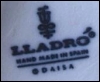 When collecting Lladros, look for the distinctive Lladro features and look. Lladro pieces have a distinct form and highly recognizable muted color palatte. In 1971, a logo was created that represented the link between both art and science which is the basis of all Lladró creations in fine porcelain. The logo joined an ancient chemical symbol with a stylized version of a very popular flower from the local region of Valencia, Spain known as the “bellflower”.
This flower is incorporated into the logo as both a tribute to nature, the mother of clay, and to the region of Spain where the Lladró family firm was born. The finishing touch to this corporate logo is the Lladró name printed below the art/science symbol.
Lladro figurines have been widely collected for decades and they are popular in their painted and glazed style as well as their matte style of ceramic presentation.
Care and Collectibility
Keep Lladros free of dirt and dust. Do not use commercial cleaners on Lladro figurines.
When caring for Lladro figurines, the first consideration is the figurine’s fragile nature. Lladro figurines are delicate. It is the firm’s attention to detail which makes these pieces so valuable, collectible, and revered worldwide. The details on these figurines –like fingers, candlesticks, ribbons and bows, etc.–are very fragile. When cleaning or dusting the figurines, time and patience are crucial. Don’t submerge Lladro figurines in soapy water as they will become slippery and may break when handled. Use care when removing surface dirt or dust from a Lladro figurine. It is best to be diligent about removing surface dirt or dust from these delicate works of art. It is best to remove even the small amounts of dust from your Lladro every week or so rather than to let dirt or dust build up on your collectible. Getting into the crevices of your figurine may be difficult so you may want to use a dry cotton swab to remove dirt or dust from tight places on a Lladro figurine.
If you are cleaning your fragile figurines, be sure to sit down at a table and clean. That’s right. It matters how your body is positioned when you clean a fragile porcelain collectible figurine. Don’t stand up. Don’t try to balance or hold the object in your hand and simultaneously clean the piece. This is a recipe for disaster. The quality of Lladros is evident in its weight, beauty, and sculptural properties. Some Lladro figurines are quite heavy and may be dropped or slip from your hand if you are not in the correct position to clean the item. Take your time, don’t allow distractions, and clean slowly using soft, white cotton cloths, dry cotton swabs, and dry sable hair paint brushes. Don’t use any commercial cleansers or soapy water. Slow and steady will keep these pieces in good condition for the long term.
Design and Display
Lladro collections may be designed in many ways. Some people display multiple Lladros in groups of related figurines. Some collectors house them behind protective glass or in curio cabinets. Some people feature just a single Lladro on a living room end table or bedroom dresser or office. If you display your Lladro figurine in a curio cabinet or china closet, be sure to open the doors regularly and let some of the heat that may build up in the cabinet escape. Some glass display cabinets retain heat and this heat will damage your Lladros and all of your collectibles, for that matter. It’s a good idea to open display cases every month or so. Air flow and circulation is good for any work of art, antique, or collectible. Also, the less handling of a fine porcelain object like a Lladro figurine, the better. Whenever a fragile collectible is handled, you run the risk of damaging the piece.
Storage Tips
When storing your valuable and fragile Lladro figurines, be sure to use acid free, chemically inert storage papers and ample padding of white cotton cloth without any patterns, inks/dyes, or other decorations on it. Such dyes may bleed onto the figurine and the unglazed or matte figurines can take the dye and ruin the porcelain piece permanently. Remember, bubble wrap should be used only to transport fragile collectibles; it is not for long term storage. Bubble wrap will retain heat if it is used for the storage of items like porcelain Lladros. So, if you are moving pieces by Lladro, wrap them in bubble wrap for protection only after you have wrapped the figurine in a piece of white cotton cloth or towel paper. Once your Lladro collection arrives at its final destination, then you may unwrap the piece from the bubble wrap.
Lladros are exceptionally beautiful and highly sought after collectible ceramic objects.
Request an online appraisal of your Lladro piece from Dr. Lori.