by Dr. Lori Verderame
by Dr. Lori Verderame
Barbie doll values
Barbie dolls have a very strong collecting community with dedicated collectors. Throughout my career as an expert Ph.D. Antiques Appraiser, I have seen Barbie doll values steadily increase and I expect them to continue to rise in value particularly based on the Barbie movie which debuted on July 21, 2023. I have appraised thousands of Barbie dolls of all types over the years. I have also appraised Barbie homes, vehicles, and accessories. Barbie items have held their value very well. There is a dedicated group of Barbie collectors market all over the world.

Barbie was first inspired by the Bild Lili doll, a young adult sexy magazine cartoon character from Germany. Lili first appeared in a magazine titled Bild. She was featured in cartoons that were somewhat sexually suggestive and funny to a young adult audience. The Bild Lili doll was the general basis for the Barbie doll. The Barbie and Bild Lili dolls have striking similarities. The German doll inspired inventor Handler to bring a somewhat more wholesome American version of the doll, named Barbie, to Mattel Inc. for the American market.
Evaluating Barbie Dolls
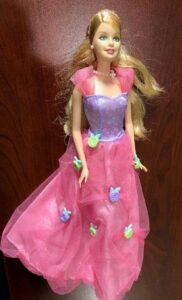
While Barbie doll values are based on many individual factors, some of the more prominent factors for indicating value include the condition of the doll, era of the doll, type of doll, hair color, etc. Accessories like clothing with the Barbie label, faux pearl stud earrings, dreamhouses, cars, carry-all closets, bendable legs, hair styles such as bubble cuts, ponytails, etc. all impact value. Original boxes impact value as do Barbie brochures, packaging, etc. Barbie dolls are identified by numbers and specific doll traits. A number one Barbie doll with a blond ponytail is a sought-after doll with collectors as are many other early Barbie dolls. Some rare Barbie dolls can command values into the thousands of dollars. There are many, many other valuable Barbie dolls too. And, the most valuable Barbie dolls do not have to be the oldest dolls.
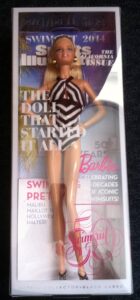
Barbie is a doll that is not afraid of change. Unlike other dolls that have stayed the same over decades, Barbie has seen and embraced cultural change. For instance, Mattel Inc. introduced different Barbie dolls taking on various professions over the years. Barbie also had lines like the fashionista line and Barbies which embraced different skin color and body type. Also, cultural changes like the Women’s movement of the 1970s had a big impact on Barbie dolls and their values. Barbie’s friends and relatives like Ken, Francie, Midge, Skipper, and Alan dolls have increased in market value too. These dolls typically bring between $100-$500 each based on many factors. In addition, collaborations like the one between Barbie dolls and Sports Illustrated swimsuit model issue were also popular with collectors.
Colors of Barbie
Barbie dolls and the world around her is light—light in color, light in attitude. Just as shown in the mega-hit Barbie full length feature film, many items in the Barbie universe are pink and yellow. In Barbie’s early play houses, made of printed cardboard, everything is brightly colored. Vintage Barbie accessories are predominantly bright in color and modernist in design, too. Everything from sunny yellow sofas to fuzzy pink bathroom scales feature the colors within Barbie’s world. And, Barbie herself has predominantly light colored, blonde, or red hair. Brunettes are less commonplace as Barbie dolls in the early decades of the fashion doll’s production. Barbie, over time, transitions to embrace the color schemes of the era in which specific dolls are produced. For instance, the muted colors –avocado green, coppertone red, and goldenrod yellow–popular in the 1970s are embraced in Barbie’s clothes and other accessories.
After World War II, the design of most post-war American home’s interior designs featured bright colors in the late 1940s through the 1960s. Home textiles would feature printed textiles, bold prints, and bright primary colors. The 1950s feature designs like teal and silver starbursts and gold/silver metallics. America is doing well in the 1950s: we are building the suburban Levittowns, constructing the interstate highway system, and moving forward with the American century.
By the 1960s, American design colors were inspired by Andy Warhol and the Pop Art movement showing the economic prosperity experienced in the United States after World War II. In the history of design, bright and bold colors indicate times of prosperity.
Barbie Fashion
Barbie takes on the fashion of the day, too. For example, Barbie introduces the bubble haircut like that worn by many American women. She is clothed in fashions inspired by the clothing of fashion icons like Twiggy and First Lady Jackie Kennedy. Certain colors become very important to Barbie like red, yellow, blue, and to a great extent, pink. Pink relates to girlhood and child’s play, typical of girls’ dolls and other toys. Pink, a derivation of red, stimulates the optic nerve so it is attractive. In addition, pink was a historic color in the 1960s. It was the color of the suit and hat that Mrs. Kennedy was wearing on the fateful day in November of 1963, in Dallas, Texas when President Kennedy was assassinated. Finnish designer, Marimekko made dresses with brightly colored and oversized prints were made popular at fashion shows and red carpet events at the time.
In the 1970s, a period of economic downturn and recession, bright colors were replaced by muted colors like avocado green, coppertone red, and goldenrod yellow. Barbie’s clothes took on the boho chic look embracing fringes, metallics, etc. Barbie followed suit in the 1980s with big hair dos and dresses with matching hats, drop waistlines, and bright designs with black and white.
Barbie DreamHouses and Cars
It’s not all about the Barbie doll values. Barbie owns some cool stuff too from houses to cars and all types of accessories. Barbie lived in dream houses that focus on the architectural history of the mid to late 20th century. Her houses looked like the suburban Levittowns of the 1950s and 1960s, the A-framed architecture of the 1970s, and the colonials and McMansions of the 1980s and 1990s. All of her houses had home décor items like lamps, sofas, chairs, drinking glasses, pools, bathroom scales, vanity dressing tables, etc. Barbie had all types of cars ranging from sporty convertibles to VW bugs. Barbie had motorboats and jet skis too.
The wardrobe for Barbie and her many friends included fashionable clothing with matching shoes and accessories. She was always keeping with the fashion trends of the day and she had her own Barbie designer label sewed into the collar of each dress, sweater, or blouse. Her closet was portable so you could share outfits with friends when you played at their house during a playdate. The Barbie houses, vehicles, and other accessories often sell for high values ranging into the high hundreds of dollars.
Barbie accessories
Barbie’s appeal was the doll and the cool accessories that made imaginary play with Barbie dolls so much fun. Barbie dolls were made for playdates and portable sharing of dolls, clothes, shoes, and accessories. Housed in portable vinyl Barbie carrying cases, Barbie’s wardrobe was extensive. Barbie’s accessories were vast and stylish including sunglasses, bathing suits, jewelry, hats, boots, hangers, belts, scarves, etc. You name it, Barbie had it.
Some Barbie dolls were sold with accessories. Accessories included basketballs for the 29 NBA teams. Barbie doll accessories included beach towels for Malibu Barbie dolls. Fashionista Barbie dolls featured all types of dolls. In the early 2000s, Barbies of various body types were highlighted and promoted. Most accessories sell for upwards of $10-$50 depending on type, condition, and other factors.
Barbie Marks and Logos
Barbie dolls by Mattel Inc. are clearly marked on the body on the butt or lower back depending on the period of manufacture of the doll. Most Barbie dolls are clearly identifiable. Some have other marks like holes in the feet, manufacturing locations like Japan, and dates in Roman numerals as well as the Barbie logo and Mattel Inc. marks. Barbie dolls from all the decades are valuable dating from the late 1950s to today.
Barbie doll collections are regularly selling well into the thousands of dollars mark or more now online and in traditional auctions. The most coveted Barbie collections are in private collections and are not for sale. The memories that Barbie dolls evoke for so many, young and old, is why this all-American collectible doll by Mattel Inc., based on the Bild Lili doll from a German magazine cartoon, is so valuable and important to American culture. All Barbies are valuable including those from the early decades to the present day. Barbie is an American treasure! Collectors love her and pay big bucks for good Barbie examples and accessories to add to their collections.
Watch videos on my YouTube channel where I reveal more about vintage Barbie doll values. I can appraise your Barbie accessories and dolls from photos or you can show me your pieces during a video call.